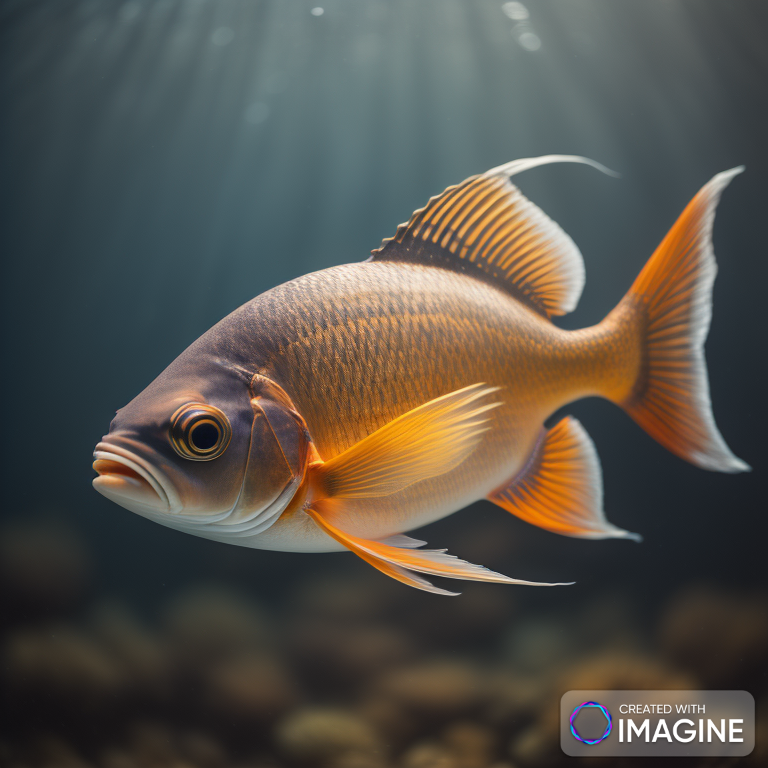
Crappie are popular freshwater fish known for their elusive behavior and tasty white flesh. To successfully fish for crappie, it’s important to understand their behavior and the biomes they inhabit. Here’s what you should know:
1. Behavior:
- Schooling Fish: Crappie are schooling fish, which means they often gather in large groups. These schools can be quite dense, with hundreds of individuals. Finding and targeting these schools is key to successful crappie fishing.
- Structure-Oriented: Crappie are structure-oriented fish, often seeking cover near submerged structures such as fallen trees, brush piles, rocks, and aquatic vegetation. They use these structures for shelter and ambush points to prey on smaller fish and aquatic insects.
- Light-Sensitive: Crappie have light-sensitive eyes, which makes them more active during low-light conditions like dawn and dusk. They are less active during the bright midday sun.
- Selective Feeding: Crappie primarily feed on small fish and aquatic insects. They can be selective in their feeding habits, so understanding their current prey preferences is important for successful fishing.
2. Biomes:
- Lakes and Reservoirs: Crappie are commonly found in lakes and reservoirs with clear to slightly stained water. They prefer areas with submerged structures and often suspend in open water or around underwater cover.
- Rivers and Streams: While less common than in lakes, crappie can inhabit slow-moving sections of rivers and streams, particularly in areas with backwaters, oxbows, and ample cover.
3. What You Should Know as an Angler:
- Locate Schools: Finding schools of crappie is the first step to successful fishing. Use fish finders, study underwater maps, or seek advice from local anglers to pinpoint these locations.
- Use Light Tackle: Crappie have delicate mouths, so using light tackle, including ultralight or light-action rods, light lines, and small hooks, is ideal. This allows for better hooksets and minimizes the risk of tearing the fish’s mouth.
- Live Bait and Lures: Crappie can be caught using live bait such as minnows, as well as a variety of lures like jigs, soft plastics, and small crankbaits. Experiment with different colors and sizes to match their feeding preferences.
- Vertical Jigging: A popular crappie fishing technique is vertical jigging. Lower your bait or lure to the desired depth near submerged structures and use an up-and-down jigging motion to entice strikes.
- Slack Line: When crappie bite, they may do so softly. Pay attention to any subtle nibbles or changes in line tension, and set the hook with a gentle, upward motion.
- Patience: While crappie fishing can be rewarding, it often requires patience, especially when waiting for schools to move through or when fishing in finicky conditions.
- Catch and Keep or Release: Depending on local regulations and the size of the crappie you catch, you may choose to keep them for a delicious meal or practice catch and release to conserve the population.
Understanding the elusive behavior and preferred biomes of crappie is essential for successful angling. Continuous learning, adaptability, and