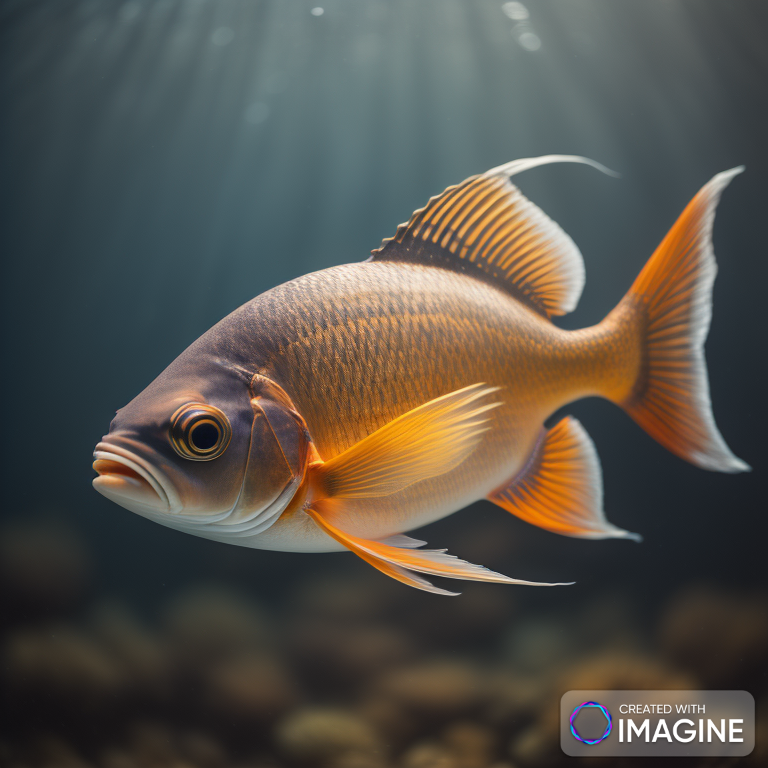
Smallmouth bass are renowned for their elusive behavior and are highly sought after by anglers for their challenging nature and strong fighting ability. Understanding their behavior and preferred biomes is crucial for successful smallmouth bass fishing. Here’s what you should know:
1. Behavior:
- Solitary Predators: Smallmouth bass are typically solitary predators, though they may congregate in certain areas when food is abundant.
- Structure-Oriented: They are structure-oriented fish, often seeking cover and ambush points among rocks, fallen trees, submerged vegetation, and other underwater structures. These structures provide them with shelter and a vantage point for ambushing prey.
- Temperature Preferences: Smallmouth bass prefer cooler water temperatures compared to their cousin, the largemouth bass. They thrive in water temperatures between 65°F and 75°F (18°C to 24°C).
- Diet: Their diet includes a wide variety of prey, including crayfish, minnows, insects, and even smaller fish. Understanding their current feeding preferences is key to successful angling.
- Territorial: Smallmouth bass can be territorial, defending their preferred spots from intruders. Once you locate a productive area, you may find consistent success.
2. Biomes:
- Rivers and Streams: Smallmouth bass are often associated with flowing water, particularly clear rivers and streams. They prefer areas with gravel or rocky bottoms and rely on the current to bring them a steady supply of food.
- Lakes: In lakes, smallmouth bass can be found near underwater structures such as rocky points, submerged brush, and drop-offs. They often move to shallower waters during dawn and dusk to feed.
- Reservoirs: Smallmouth bass inhabit reservoirs, particularly those with rocky shorelines and submerged structures. They may also relate to underwater humps and points.
3. What You Should Know as an Angler:
- Seasonal Patterns: Smallmouth bass behavior can vary seasonally. In colder months, they may be deeper, while in warmer months, they may move to shallower waters. Understanding these patterns is essential.
- Lure Selection: Matching your lures to the bass’s preferred prey is crucial. Crayfish imitations, minnow-imitating lures, and topwater baits are often effective choices.
- Casting Accuracy: Accurate casts are vital when targeting smallmouth bass near structure. Practice your casting to avoid spooking the fish or getting snagged.
- Live Bait: Live bait like crayfish, minnows, and nightcrawlers can be highly effective when fishing for smallmouth bass.
- Catch and Release: Many anglers practice catch and release to conserve smallmouth bass populations. Handle fish with care and follow local regulations regarding size and bag limits.
- Stealth and Patience: Smallmouth bass can be wary, so approach the water quietly and be patient. Allow your lure to work naturally and give the fish time to strike.
Understanding the elusive behavior and preferred biomes of smallmouth bass is essential for successful angling. Continuously studying their habits, adapting to changing conditions, and respecti