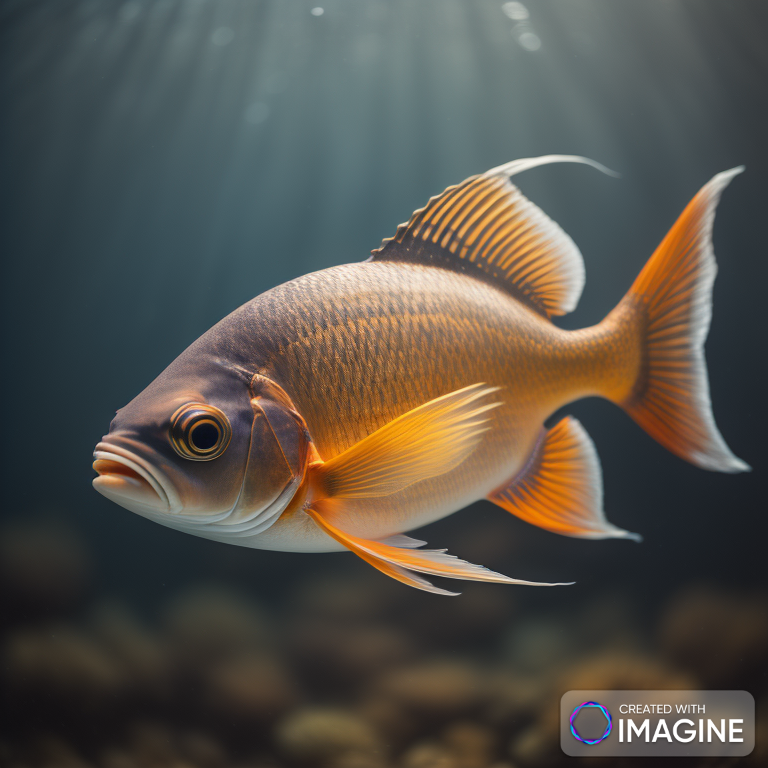
Trout are a group of highly sought-after freshwater fish species known for their elusive behavior and challenging nature. Whether you’re targeting rainbow trout, brown trout, brook trout, or other species, understanding their behavior and preferred biomes is essential for successful trout fishing. Here’s what you should know:
1. Behavior:
- Solitary or Schooling: Trout behavior can vary depending on the species and the specific location. Some trout species, like rainbow trout, can be solitary, while others, like cutthroat trout, may form schools.
- Territorial: Many trout species can be territorial, especially during the spawning season. They often defend specific lies or areas within their habitat, particularly for breeding purposes.
- Selective Feeding: Trout are often selective in their feeding habits, preferring specific aquatic insects, terrestrial insects, or other prey items depending on the season and local conditions. Understanding their current food preferences is crucial for successful angling.
- Sensitivity to Disturbances: Trout have keen senses and can be easily spooked by angler noise, movement, or the presence of predators. Stealth and a low profile are essential when approaching trout waters.
2. Biomes:
- Rivers and Streams: Trout are commonly found in clear, cold-water rivers and streams, often in mountainous regions. They prefer habitats with gravel or rocky bottoms, riffles, pools, and pockets. The constant flow of water brings them a steady supply of food.
- Lakes and Reservoirs: Trout can also inhabit stillwater environments, such as lakes and reservoirs, particularly those with cold, oxygen-rich waters. In lakes, they may cruise near the surface or hold in deeper areas.
- High-Mountain Lakes: In mountainous areas, trout can inhabit high-altitude lakes with cold, clear water conditions. These lakes are often accessible by hiking or backpacking.
3. What You Should Know as an Angler:
- Local Knowledge: Understanding the specific behavior and habitat preferences of trout in your local waters is crucial. Talk to experienced anglers, study local hatch charts, and keep a fishing journal to track your observations.
- Matching the Hatch: Trout often feed selectively on insects that are currently hatching. Learning to “match the hatch” by using the right fly patterns is essential for success.
- Dry Fly Fishing: Trout are renowned for their willingness to rise to dry flies. Practicing dry fly techniques and presentations can be highly rewarding when targeting trout.
- Stealth and Presentation: Approach trout waters quietly, wear neutral-colored clothing, and make accurate casts with natural drifts. Minimize your impact on the water to avoid spooking the fish.
- Catch and Release: Many anglers practice catch and release to conserve trout populations. Handle fish with care, use barbless hooks, and release them quickly to ensure their survival.
- Patience and Observation: Trout can be selective and moody, especially in clear, low-flow conditions. Be patient, observe the water and fish closely, and adapt your tactics as needed to match their behavior and preferences.
Understanding the elusive behavior and preferred biomes of trout is essential for successful angling. Continuous learning, adaptability, and respect for the environment are all part of the rewarding pursuit of these beautiful and challenging freshwater gamefish.